
If you had asked me years ago what a “real” bird study looked like, I would have described something straight out of a nature documentary. A quiet woodland trail. Maybe a peaceful meadow. Definitely not my fourth floor apartment balcony where delivery trucks rumbled past all day.
So imagine my surprise when a very determined little chickadee showed up on our railing one morning. My kids froze. I froze. And that was the day we realized you can study birds anywhere.
This article wraps up our Backyard Bird Series and helps your family adapt bird study to wherever you live. If you have already explored creating a bird friendly backyard, choosing feeders, adding water sources, supporting nesting, or planning simple bird friendly landscaping, today we are pulling all of those ideas together and showing how they work in cities, suburbs, and rural spaces.
And the best part is that you can begin right where you are. No acreage required.
From Balconies to Barns: Regional Backyard Birding Ideas for Homeschool Science
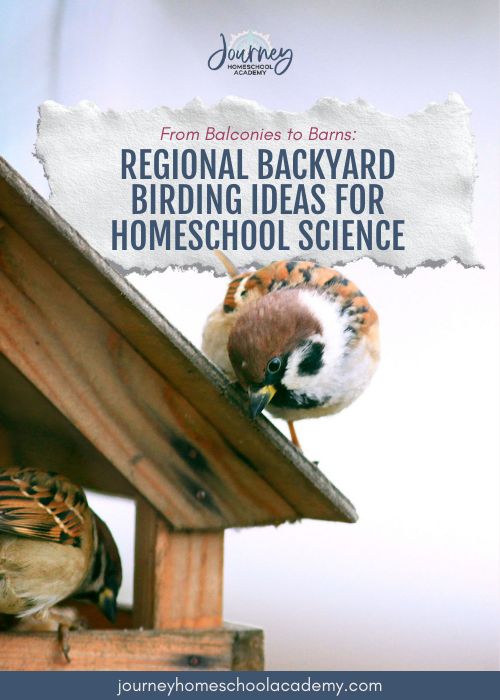
Start with Simple Observations Wherever You Live
Before you choose feeders or buy seeds, start by helping your kids become observers. Encourage them to record:
- Species
- Behaviors
- Time of day
- Weather
These simple notes eventually reveal patterns. You do not need fancy equipment. A notebook and a pair of simple binoculars are enough to begin.
Seasonal awareness also matters because different regions experience migration differently. A weekly bird log is an easy habit that builds observation skills.
And of course, remember stewardship. Clean feeders regularly, add decals if needed to help prevent window strikes, and teach kids to respect nesting birds.

Backyard Birding Homeschool Ideas by Living Situation
City Birding: Balconies and Small Spaces
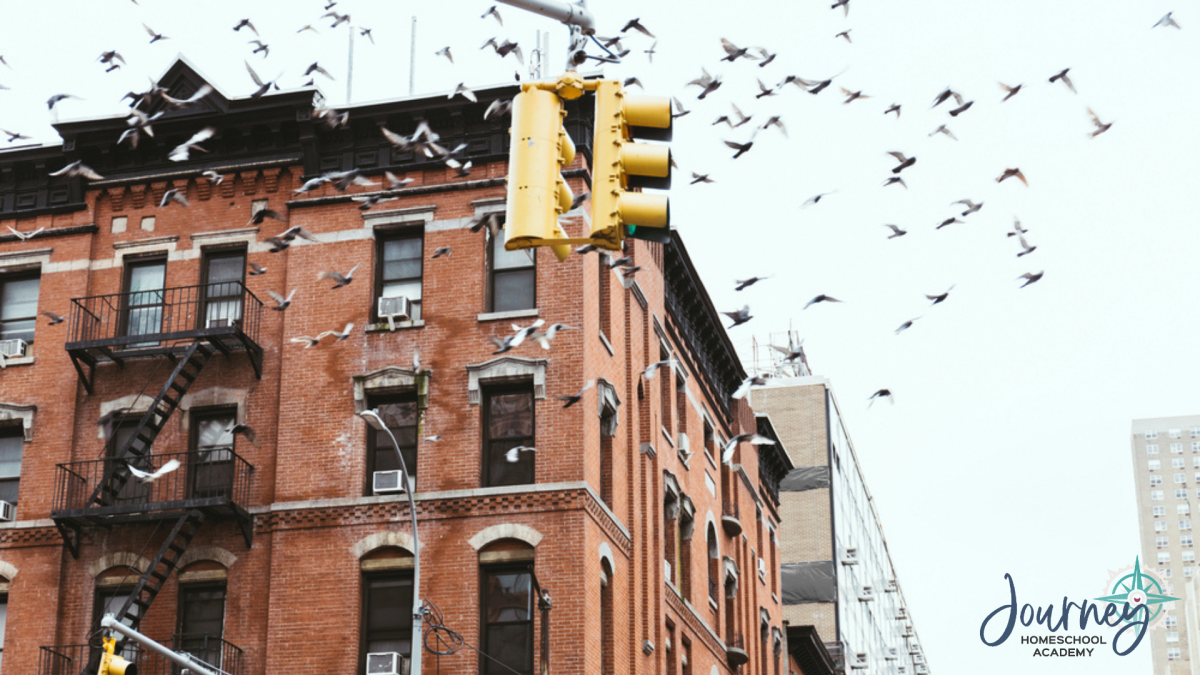
Urban birding is better than many families expect.
Try space-saving feeders.
Window feeders and railing mounted feeders bring birds close. Suction cup bird baths can be hung even in tight spaces. Quieter mornings often bring the best activity.
Grow mini habitats.
Container gardens with nectar rich flowers like salvia or zinnias attract pollinators and hummingbirds. Vertical gardens help add shelter without taking space.
Observe unique urban behaviors.
Birds adapt to noise, traffic patterns, and rooftop winds. Kids can map sightings by height and track how heat from sidewalks changes bird movement.
Suburban Birding: That Lovely “In-Between” Habitat
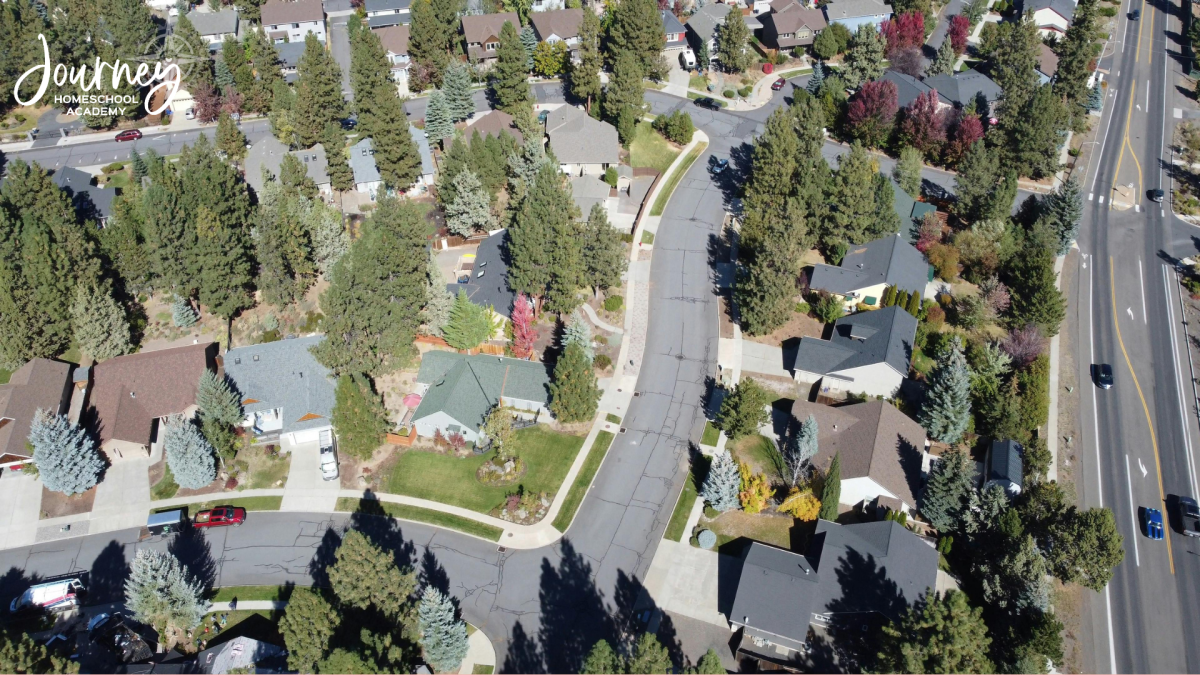
Suburban yards often yield excellent variety.
Mix native shrubs with traditional feeders.
If squirrels are a problem, try a simple deterrent like this:
👉 Squirrel Baffle for Bird Feeders
Place feeders where outdoor cats cannot hide.
Observation ideas:
- Compare which feeder types attract which species
- Track how weather patterns influence feeder traffic
- Notice seasonal shifts as landscaping changes
Projects:
In our nesting project article, we walk families through easy DIY nesting boxes. You can also create a “Bird Buffet Map” to show food, shelter, and water sources across your yard.
Rural Birding: Wide Spaces and High Diversity
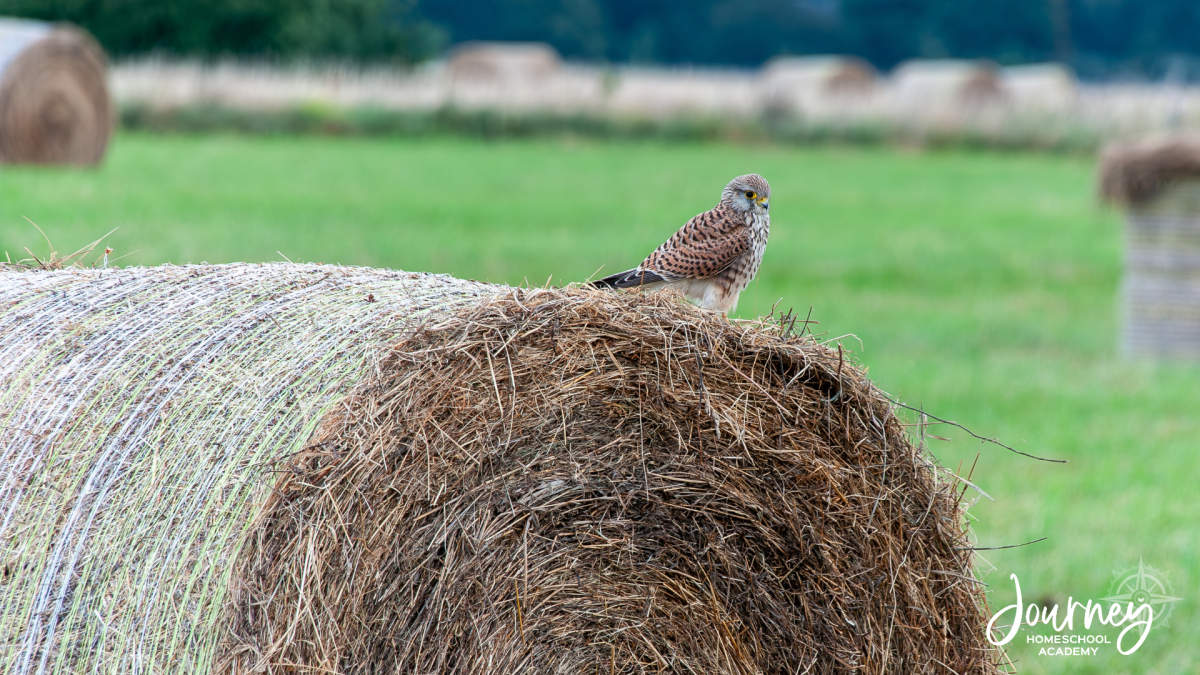
Rural settings offer incredible opportunities but can feel overwhelming because of sheer variety.
Use larger feeding stations.
Spread feeders apart so territorial species do not dominate. Offer mixed seeds, suet, and nectar for diversity.
Build year round habitat.
Include evergreens, grasses, fruiting shrubs, and water sources. A heated dish makes winter birding far more successful.
Observe big picture patterns.
Watch differences between field birds and forest edge birds. Track how wind or snow changes bird distribution. These patterns tie beautifully into earth science studies.
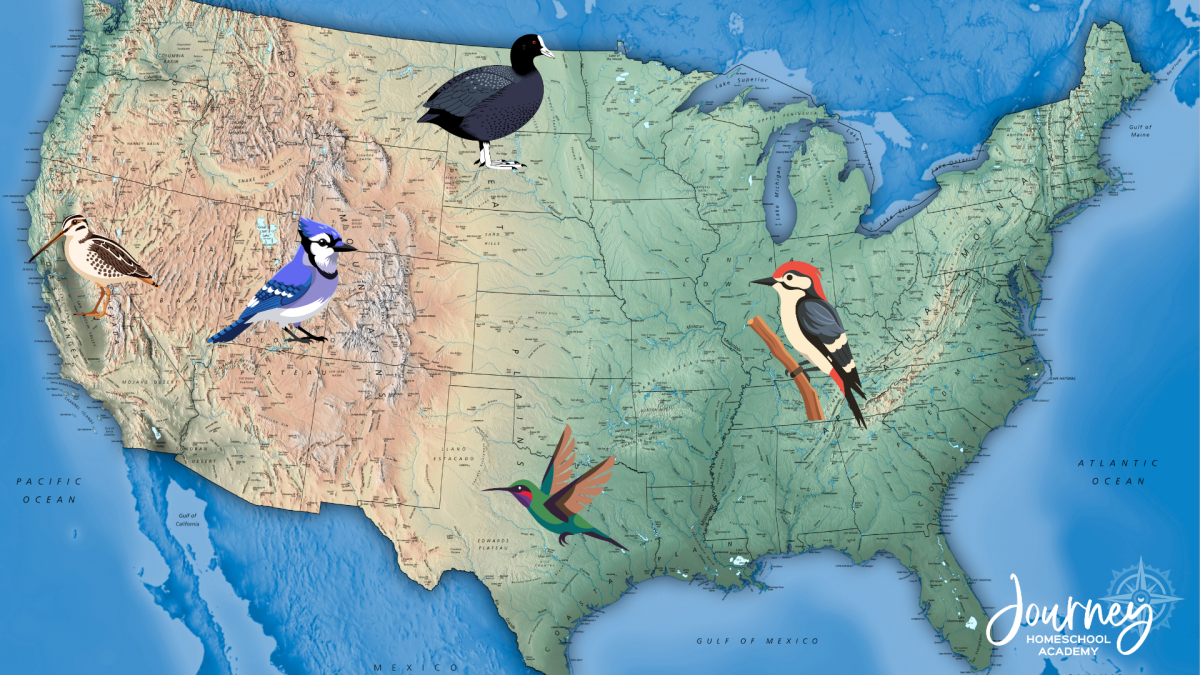
Birding Across U.S. Regions
Help students understand regional uniqueness:
- Eastern Forests: woodpeckers, cardinals, excellent sound identification
- Western Mountains and Plains: raptors, jays, dramatic migrations
- Coastal Regions: shorebirds, tide influenced feeding behaviors
- Southern States: hummingbird highways and long breeding seasons
- Northern States: fantastic winter birding and cold weather adaptations
Regional awareness teaches kids how creation responds to climate and habitat.
Cross Curricular Bird Study Ideas
Weather and Bird Behavior
Before storms, many birds feed rapidly. On windy days they perch differently. These observations reinforce meteorology concepts.
Ecosystems
Birds are perfect examples of food chains. Students can study how birds depend on insects, seeds, flowers, and trees.
Observation Skills
Try sound mapping or five minute “sit spots.” These simple routines train attention and deepen curiosity.
Bird Projects for Any Region
All locations work for simple hands on projects:
- Make suet or nectar feeders
- Sketch or photograph birds
- Create a family life list
- Build a children’s field guide
These build confidence and connection to nature.
When Birds Do Not Show Up
If your feeder stays quiet, try adjusting:
- Placement
- Food type
- Noise level
- Predator safety
Bird study always rewards patience. Sometimes it takes a week for birds to discover new feeders
Wrapping Up the Backyard Bird Series
If you missed earlier posts, here they are for easy reference:
- Why create a bird friendly backyard
- Choosing bird feeders
- Providing water
- Nesting project
- Bird friendly landscaping
This article completes the series. Our final step will be a complete guide that gathers all the posts into one resource.

Continue Your Bird Learning with JHA
This upcoming video based course brings all these concepts together and takes your bird study even further.
Recent Comments